
Automatic pedal cleats are essential wear parts for the cyclist's safety, comfort, and performance. Over time, cleat wear can cause play, less reliable engagement, pain, or the risk of unexpected unclipping. As a manufacturer of pedals and bike cleats, LOOK Cycle explains how to recognize a worn cleat, what the visual and functional signs are, and when to replace your cleats to protect your pedals and your pedaling feel.
1. Why Replace Your Cleats Regularly?
Over time, your cleats wear naturally:
- from walking (friction with the ground);
- from pedaling (friction with the pedal and the contact plate).
An overly worn cleat can cause:
- less reliable engagement/disengagement;
- less stable retention;
- risk of unexpected unclipping and therefore falling.
2. Signs That Your Cleats Are Worn
What You Feel
- Less crisp engagement: you feel that the cleat "clips" less firmly.
- Less smooth unclipping: the release movement seems abnormal or irregular.
- Play under the foot: slight wobble, loss of optimal contact with the pedal.
- Noises or squeaks: unusual sounds at the pedal/cleat interface, often related to wear or dirt.
- Instability when walking: deteriorated grip, feeling of slipping on the ground.
If you experience one or more of these symptoms, your cleats are probably at the end of their life.
What You See
On your cleats, primarily watch for:
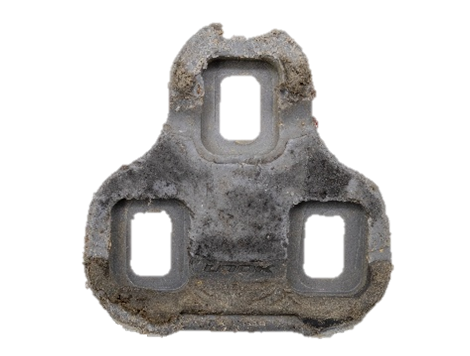
1. Break or Crack
Breakage of the cleat nose, broken material: immediate replacement necessary.
Cases to absolutely avoid:
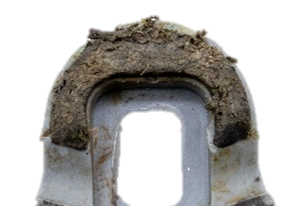
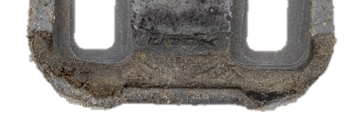
2. Worn or Torn Front/Rear Grip
Less grip when walking, risk of slipping, accelerated wear of functional areas.
Replace when you see the same condition:
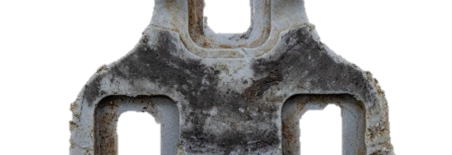
3. Marked Roughness and Abrasion Marks
Rough and darkened surfaces, hollowed areas, friction that can sometimes cause squeaking.
Replace when you see the same condition:
4. Pronounced Grooves
Replace when you see the same elements:
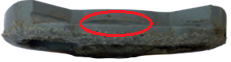
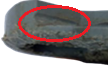
Central groove: repeated friction against the pedal lever increases mechanical play.
Lateral grooves: repeated unclipping creates more angular freedom and reduces precision.
3. Factors That Accelerate Wear
- Dust, mud, sand: abrasive, they degrade the material faster.
→ Regularly rinse your cleats and pedals. - Frequent walking: the more you walk, the more the cleats wear.
→ Use LOOK cleat covers.
4. Also Think About Your Pedals
The condition of your cleats directly influences the wear of your pedals:
Wear levels:
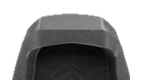
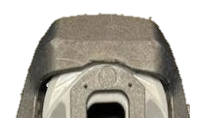
Plate / contact surface: watch for the appearance of deep marks.
Lever / spring: regular cleaning and drying.
5. How to Extend the Life of Your Cleats?
- Limit walking with your cleat shoes.
- Use LOOK cleat covers for walking sections.
- Rinse and dry after dusty or wet rides.
- Regularly check screw tightness.
In summary: replacing your cleats preserves your pedals, your feel, and your safety.